English as an Additional Language (EAL) at United School International
At United School International, we are committed to supporting every child in achieving their full potential, including those who are learning English as an Additional Language (EAL). Our EAL department works closely with students, teachers, and families to ensure that children develop the language skills they need to thrive both academically and socially.
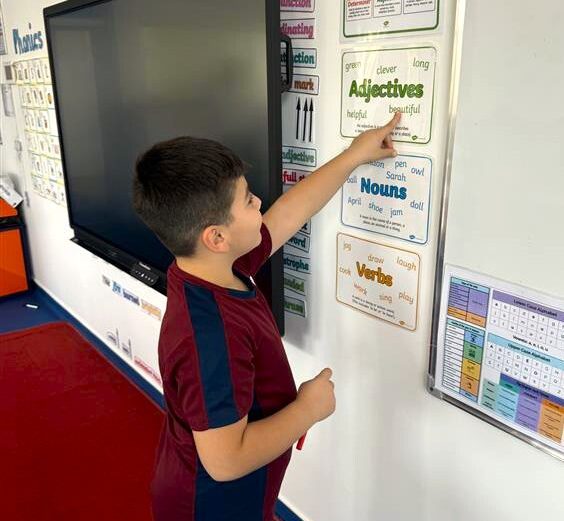
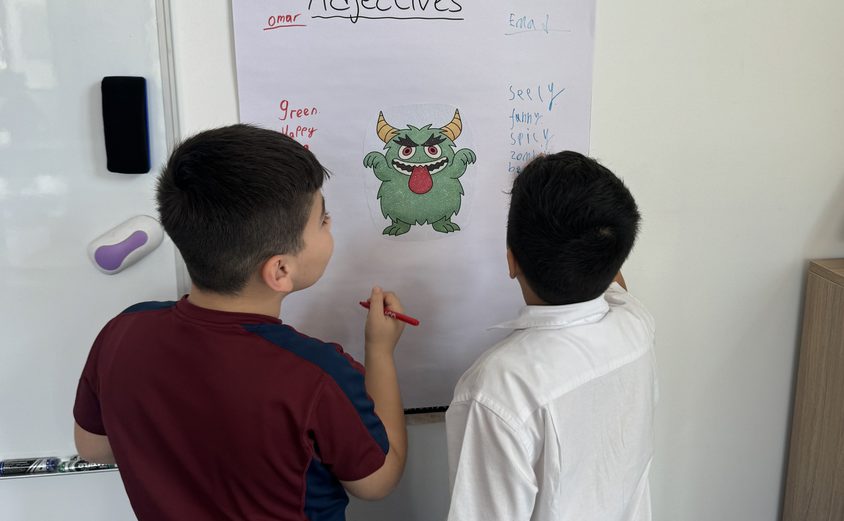
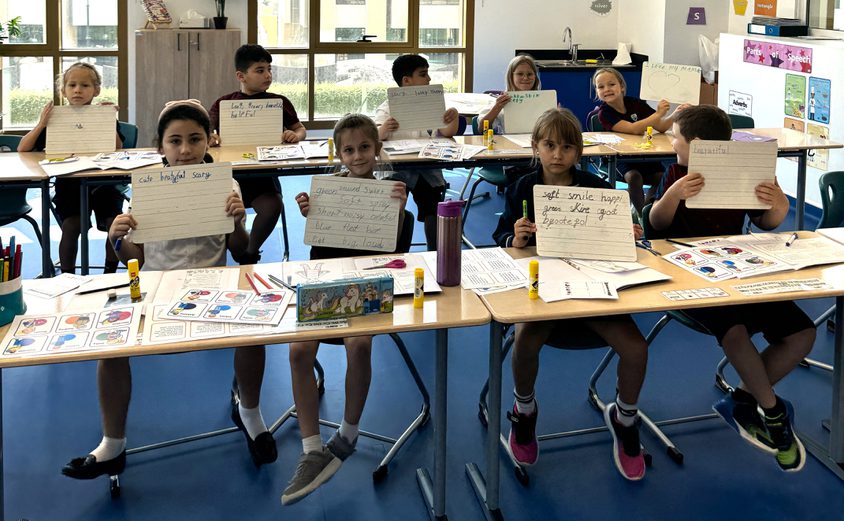
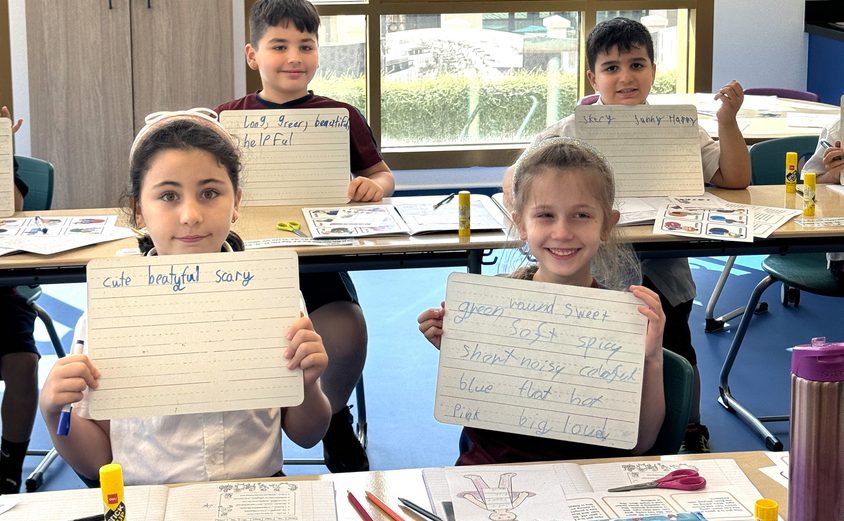
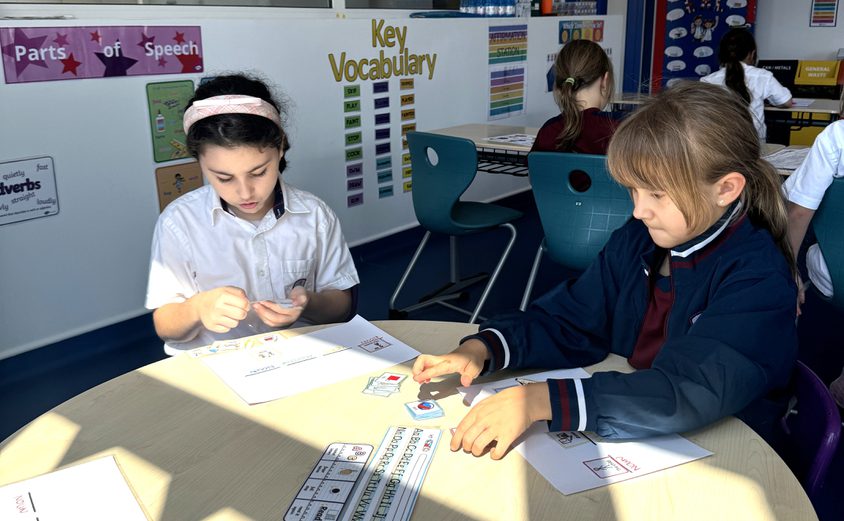
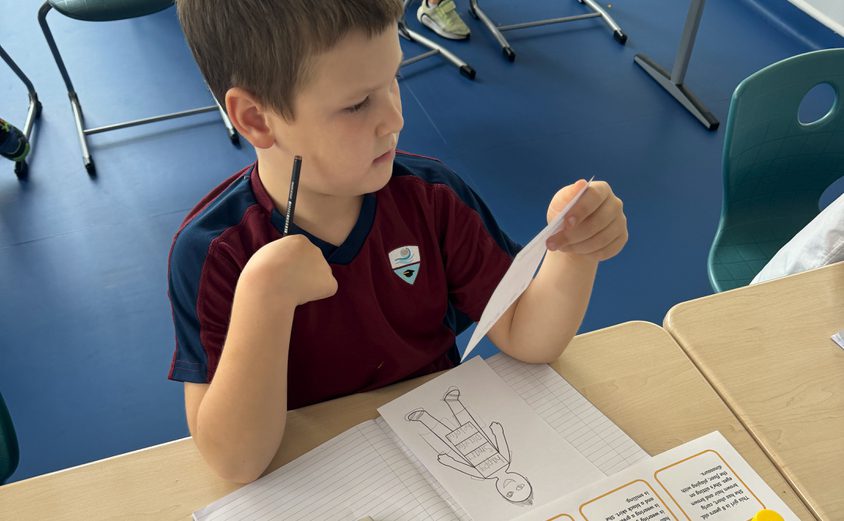
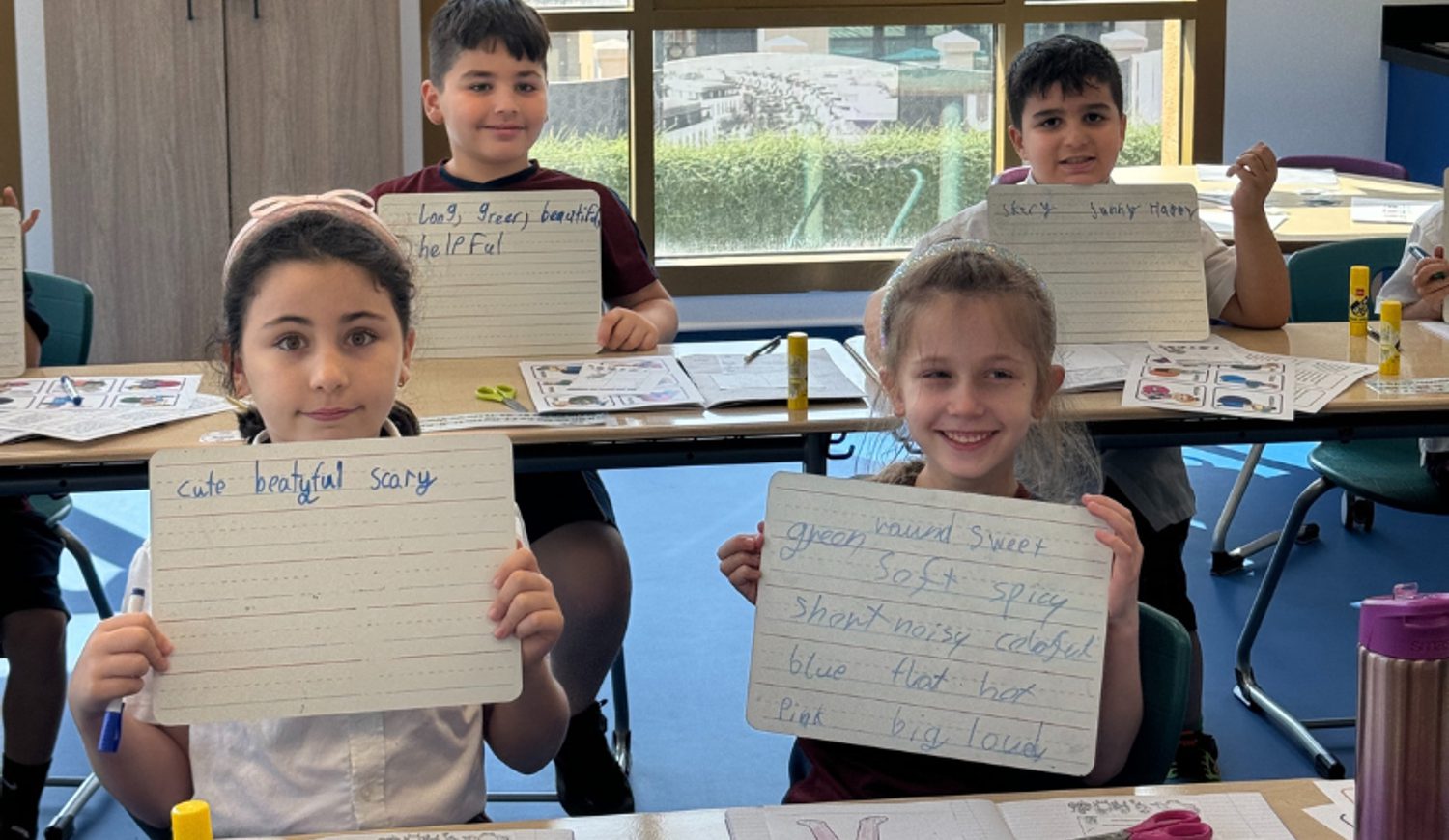
The EAL department provides tailored support to help students build confidence and proficiency in English. We focus on all four domains of the English language that are: listening, speaking, reading, and writing. While also helping students to access the wider curriculum which helps improve their understanding during every lesson.
EAL lessons are a combination of building basic English grammar skills and pre teaching year group concepts. Students identified as requiring additional English language support attend EAL lessons twice a week. These lessons take place in smaller groups, creating an environment where students can practise language skills, receive targeted support, and gain strategies that transfer into their everyday learning.
On a need basis, there are further opportunities for support in the form of morning interventions and ECA time.
At USI, we use the Bell Foundation EAL Assessment Framework to ensure that every student’s progress in English is clear, measurable, and well-supported.
This internationally recognised tool helps us to:
- Assess each student’s current level of English proficiency.
- Set personalised language learning targets.
- Monitor progress regularly and consistently.
- Communicate progress clearly with class teachers and parents.
This framework also forms part of our official school reporting system.
Within the framework, English language proficiency is measured across four domains — speaking, listening, reading, and writing — using developmental bands. For example, a student’s profile might look like this:
- Speaking (B1): The student understands basic grammar and responds confidently to simple questions.
- Listening (A3): The student can understand teachers and peers when spoken to slowly and clearly and can follow simple instructions.
- Reading (A2): The student can connect pictures with familiar words and understand basic writing conventions.
- Writing (A1): The student can copy or reproduce letters, label pictures, or fill in blanks using a provided word bank.
It’s important to note that most students have a spiked profile, meaning their proficiency may vary across the different domains.
We believe that a strong partnership between school and home is key to language development. Parents are encouraged to support English learning at home while continuing to value and use their child’s home language. By working together, we can help our students to become confident, capable, and proud bilingual learners.
At Home Strategies
EDUCATIONAL GAMES
Blooket – Fun, Free, Educational Games for Everyone
Wordwall | Create better lessons quicker
TRANSLATION TOOLS
DeepL Translate: The world's most accurate translator
PHONICS AND READING SUPPORT
ReadTheory | Free Reading Comprehension Practice for Students and Teachers
Instantly Access 40K+ Kids' Books & More | Epic
Phonics & Reading Games - Phonics & Stuff
Galactic Phonics - Free phonics and literacy games, worksheets and resources
Home - Reading Eggspress | Where reading is just part of the adventure!